Who Has the Record When an Incident Crosses a Shared Industrial Property?
Who Has the Record When an Incident Crosses a Shared Industrial Property?
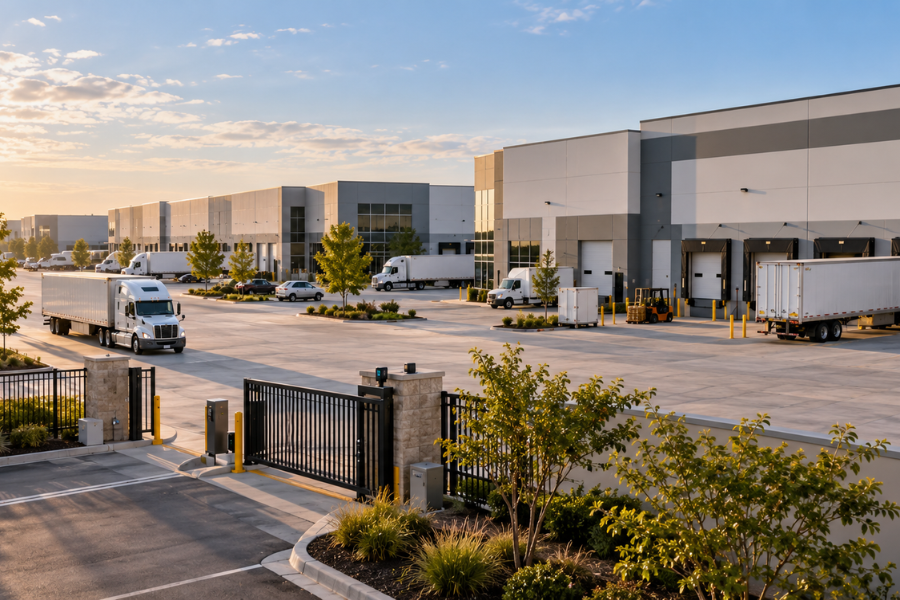
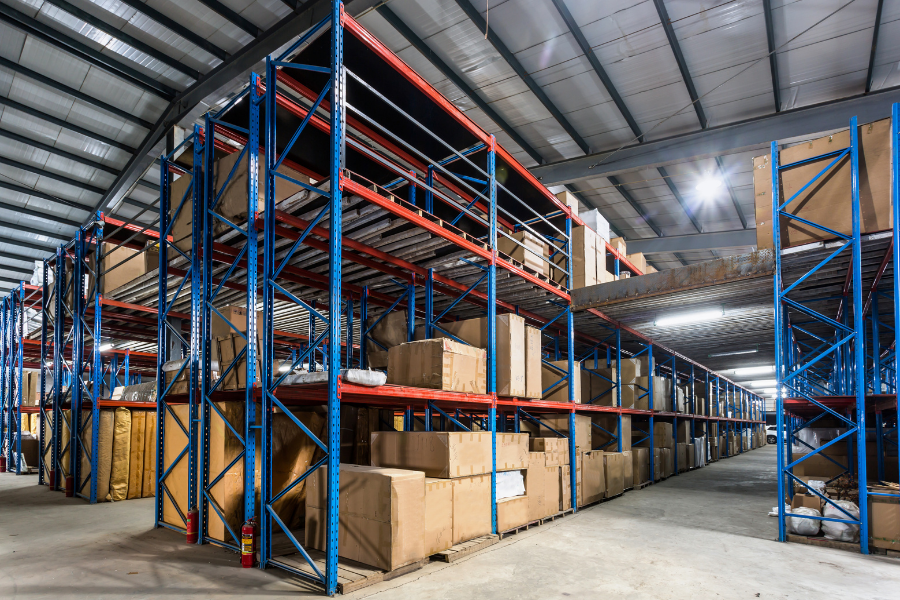
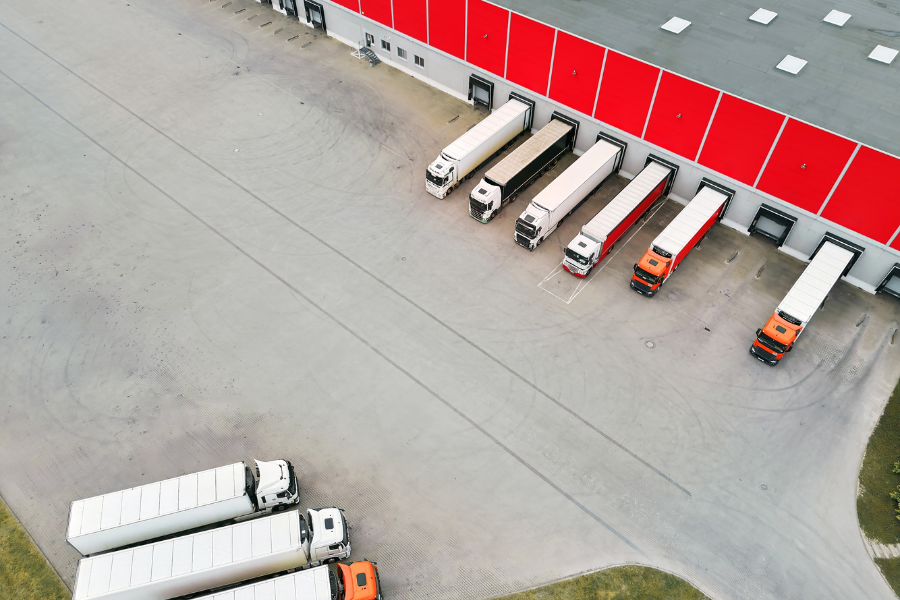
Industrial and logistics properties often operate with more than one layer of security. Property management may control a perimeter gate, truck court, parking area, or common entrance, while individual tenants manage their own warehouse doors, storage areas, equipment, and interior access.
The complication comes when activity moves between those two systems. A driver may enter through a shared gate before reaching one tenant's loading area. An employee may cross common parking before entering a controlled warehouse. If an incident follows the same path, the information needed to understand what happened may be divided between property management and the tenant.
Security Cameras of Columbus works with industrial and logistics properties throughout Central Ohio. For businesses operating within shared properties, the security plan should make it clear where tenant control begins and how access records and video can be coordinated when an event crosses that boundary.
Map Where Shared Security Ends and Tenant Control Begins
Before changing cameras or access permissions, identify which parts of the property are controlled by the landlord or property manager and which belong to the individual tenant.
A perimeter gate may serve several companies, while warehouse entrances, fenced storage areas, production spaces, and interior rooms remain under one tenant's control. Knowing that division helps managers understand which parts of the security system they can manage directly and where another party needs to be involved.
A few questions can clarify the arrangement:
- Which gates, entrances, parking areas, truck courts, and exterior routes are shared?
- Where does the tenant's controlled space begin?
- Who manages credentials for shared access points and tenant-controlled doors?
- Who controls the video or access records on each side of that boundary?
Those answers become especially important when an issue begins in one area and continues into another.
Access Permissions Should Match the Tenant's Operation
A driver authorized to enter a shared truck court may have business at one warehouse without needing access to neighboring facilities. Contractors, maintenance personnel, and vendors may have similarly narrow reasons for being on the property.
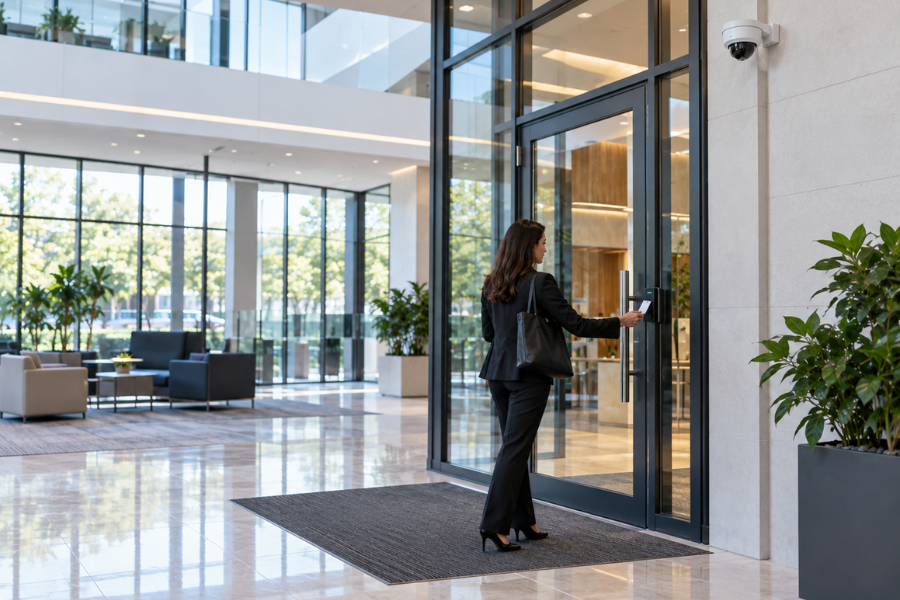
Commercial access control can help businesses manage the doors and restricted areas they control independently. Permissions can reflect where someone needs to go, when access should be available, and how long that authorization should remain active.
Different tenants may also keep very different schedules. One warehouse may continue receiving freight after another has closed for the evening or weekend. Activity in the shared portion of the property can continue even though an individual tenant's doors and restricted spaces should remain secured according to its own operating hours.
That distinction should be clear to employees and managers responsible for issuing credentials or adjusting access schedules.
Are Shared Security Responsibilities Clear on Your Property?
When entrances, exterior areas, or access points serve multiple businesses, it helps to know exactly which parts of the security system your company controls and where coordination with property management is required.
Call Security Cameras of Columbus at (614) 356-3319 or contact our team to review access and visibility across your industrial property.
Cover the Points Where Shared Activity Enters Tenant Space
Common areas may already have surveillance covering perimeter gates, parking lots, drive lanes, or shared entrances. That does not necessarily give an individual tenant the visibility it needs where activity reaches its own operation.
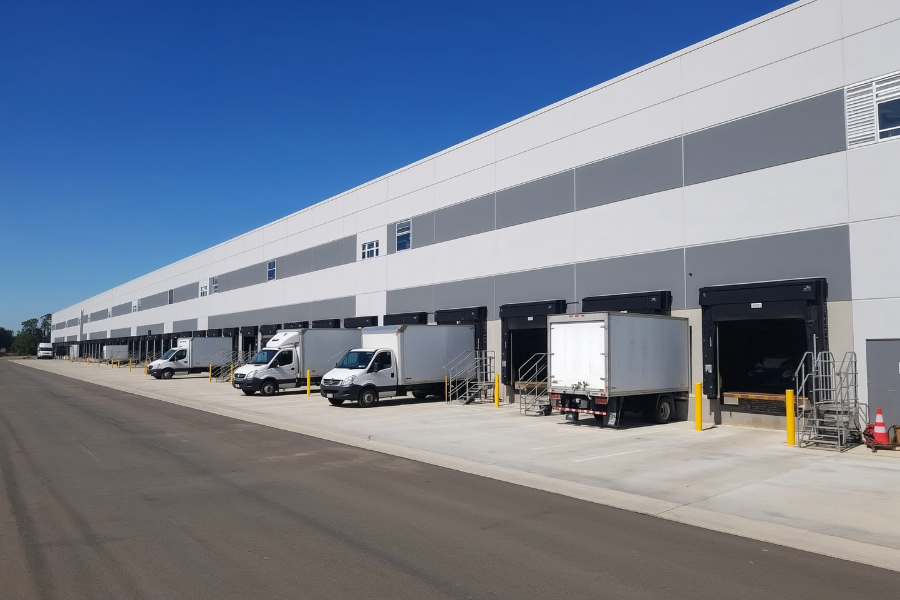
An employee entrance from common parking, a warehouse door facing a shared truck court, or a fenced storage area beside a common vehicle route can all become important transition points. Before adding cameras, determine what property management already records and what your business needs to document independently.
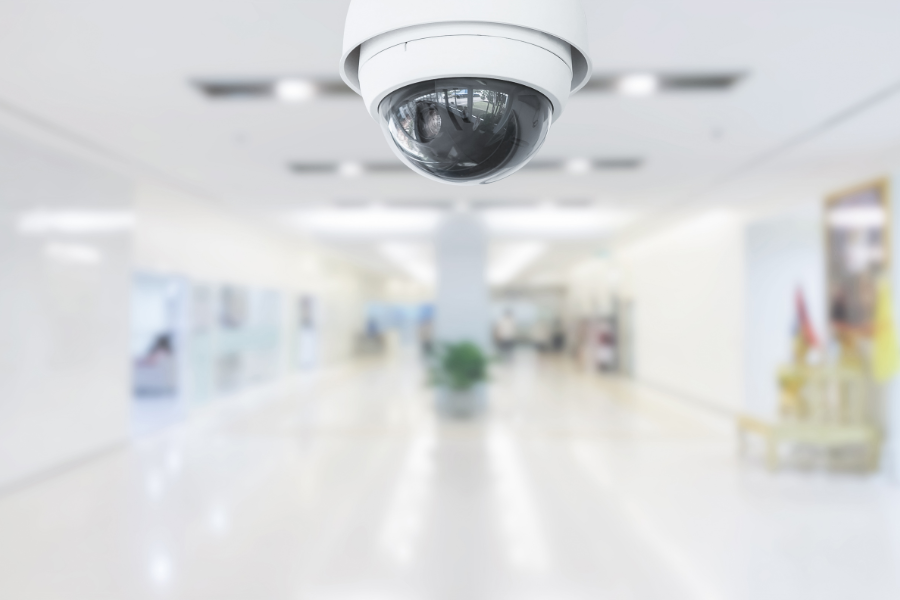
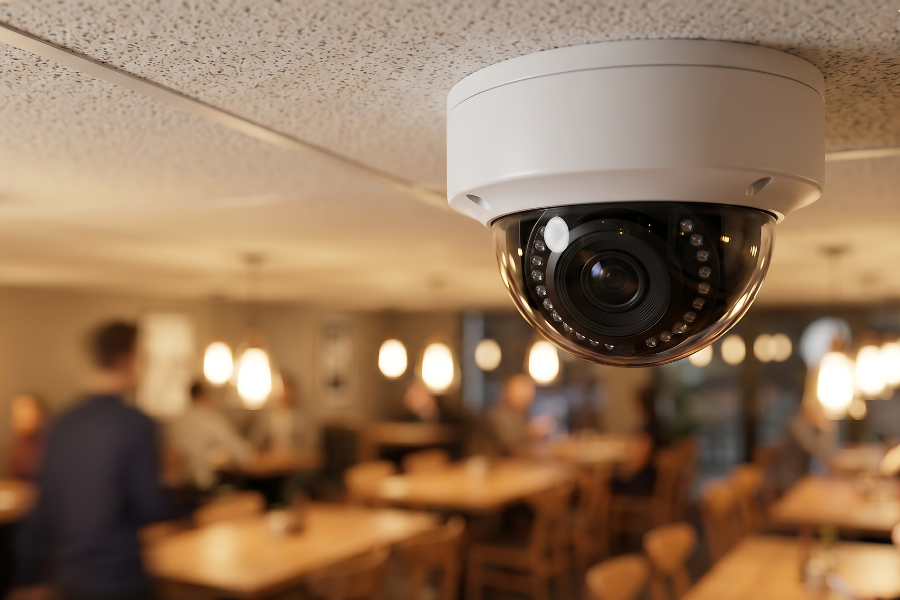
Commercial video surveillance positioned around those transitions can give the tenant its own view of people, vehicles, and activity entering the areas it controls. That becomes particularly useful when the common-area system and the tenant's system are managed by different parties.
Know Who Holds the Records Before You Need Them
An incident on a multi-tenant industrial property may not stay within one security system.
A vehicle could enter through a shared gate, travel across a common truck court, and stop at a tenant's loading area. Property management may have the perimeter footage, while the tenant holds video from the dock along with access records from its doors.
Managers should know what information exists on both sides and who can retrieve it. If a carrier question, property damage event, access issue, or other incident involves multiple parts of the property, knowing whom to contact can make it much easier to reconstruct what happened.
That process is harder to establish after an incident, particularly when each party assumes someone else has the relevant footage or records. Clarifying ownership in advance gives the tenant a clearer path for gathering information when activity crosses from shared property into its own space.
Build the Handoff Into the Security Plan
Shared industrial properties work best when tenants understand what they control and how their security systems relate to the common areas around them. Access permissions, camera coverage, and record ownership should all account for the points where activity moves from one system to another.
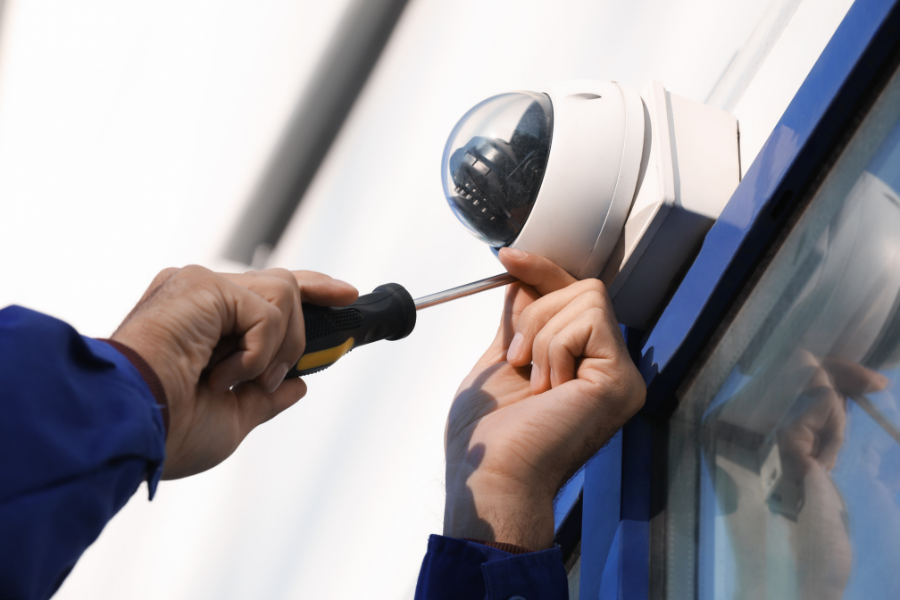
Security Cameras of Columbus can help industrial and logistics businesses review how their existing access control and surveillance systems cover those transition points and identify where additional visibility or control may be needed.
Call (614) 356-3319 or contact Security Cameras of Columbus to review your current commercial security setup.