The Hardest Part of Warehouse Security May Be Knowing What Belongs There
The Hardest Part of Warehouse Security May Be Knowing What Belongs There
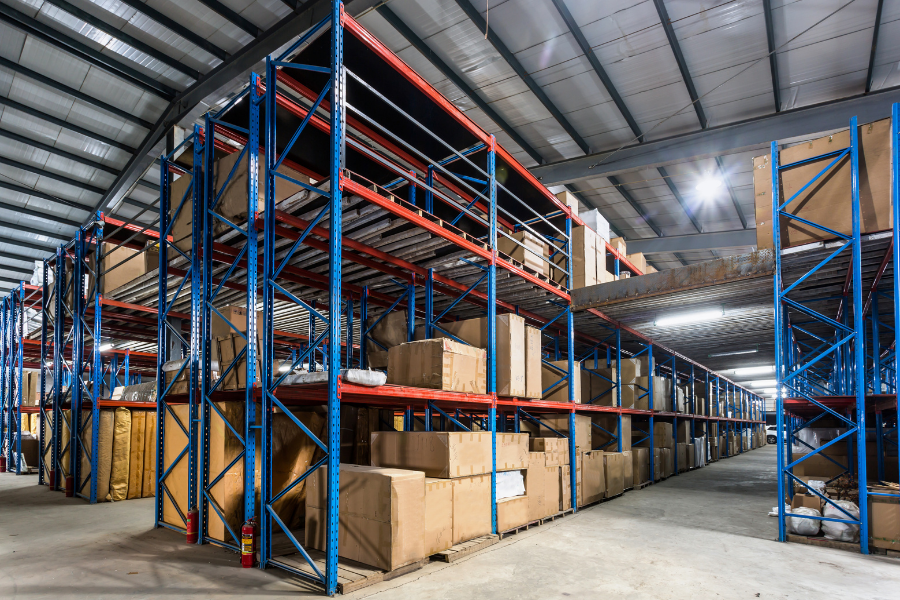
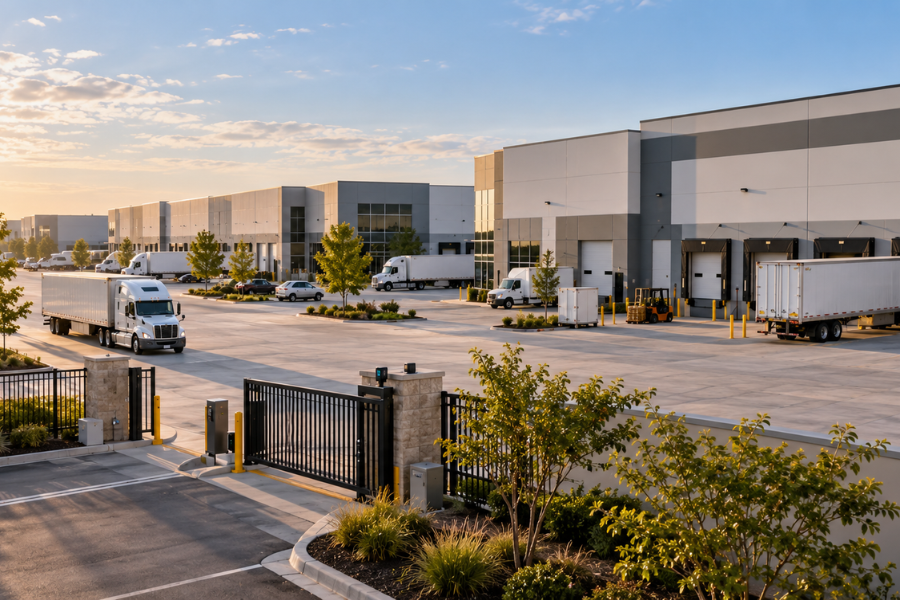
Warehouses are active by design. Employees move between work areas, freight comes through receiving, inventory shifts between staging and storage, and carriers arrive throughout the day. With that much movement, simply seeing activity does not tell a manager whether it is expected.
Useful warehouse security depends on context. A person near a loading dock may belong there during a scheduled delivery window but raise questions after hours. A pallet in staging may be routine during outbound preparation but worth investigating if it remains in the same area overnight.
Security Cameras of Columbus helps warehouses, distribution centers, and other commercial facilities throughout the Columbus area design security around those operational realities. Video surveillance, access control, and intrusion detection can work together to help managers understand what is happening, where it is happening, and whether it fits the normal operation.
Different Areas Have Different Definitions of Normal
A warehouse rarely has one standard for what belongs where. The expected activity depends on the area.
- Receiving areas: Carriers, drivers, and warehouse personnel may be expected during scheduled delivery periods.
- Inventory storage: Access may be limited to employees whose responsibilities require them to work there.
- Employee entrances: Heavy activity may be normal around shift changes and unusual late at night.
- Staging and trailer areas: Movement may follow established shipping, loading, or pickup schedules.
- Equipment and utility spaces: Access may be limited to maintenance personnel, supervisors, or approved contractors.
Security planning becomes more useful when it reflects those differences. Camera placement, access permissions, and alarm coverage should support the purpose of each area instead of treating the entire facility the same way.
Follow the Movement, Not Just the Destination
Inventory rarely stays in one place. It may move from receiving to staging, into storage, through picking or production, and eventually to outbound shipping.
That movement creates several points where visibility matters. A camera covering a storage area may confirm that inventory was present at a certain time, while coverage along the route can help determine when it moved, who was nearby, and where custody changed. That can be especially useful when managers are investigating missing inventory, disputed deliveries, damaged goods, or activity that occurred outside normal workflows.
The same principle applies to people and equipment. Security should account for how employees, contractors, vehicles, and materials actually move through the facility, not simply where they start and end.
Need Better Visibility Across Your Warehouse?
Security Cameras of Columbus can evaluate how people, materials, and equipment move through your facility and recommend security solutions that better reflect your operation.
Call (614) 350-0728 or contact our team online to schedule a commercial security consultation.
Access Control Helps Define Who Belongs Where
Not every employee, contractor, or vendor needs access to every part of a warehouse.
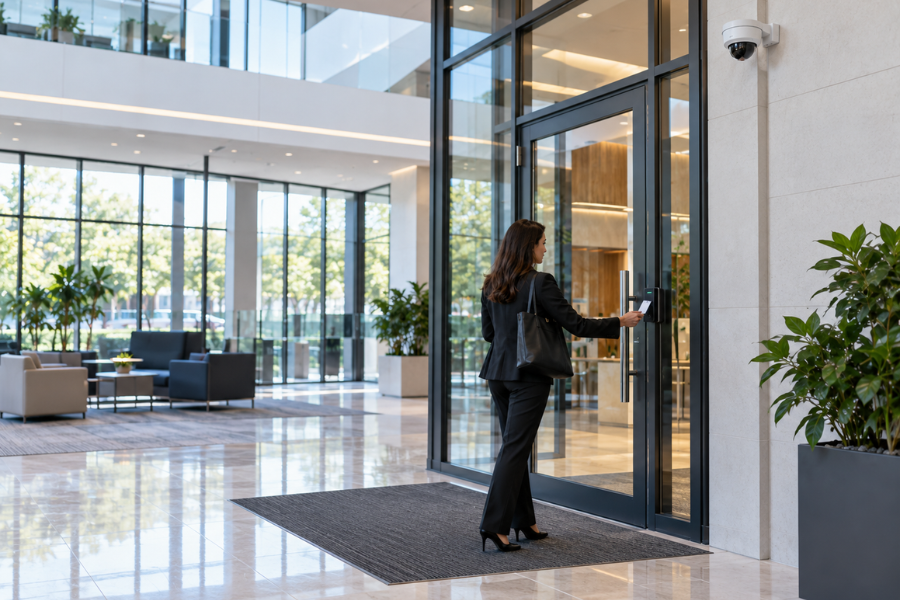
Access control allows businesses to create practical boundaries around areas such as high-value inventory storage, equipment rooms, management offices, network spaces, and other restricted locations. Permissions can be assigned by role, schedule, or responsibility, making it easier to keep access aligned with actual job duties.
When access records and video are used together, managers gain more context. A credential may show that someone entered a restricted area at a certain time, while video can help explain what happened around that event.
Time Matters as Much as Location
Activity should also be judged by when it occurs.
A loading dock may be busy during the day and nearly empty overnight. Employee entrances may see heavy traffic at shift change but little activity between shifts. Cleaning crews, maintenance teams, or scheduled vendors may be expected after normal business hours, while the same activity would be unusual on another night.
Reviewing security around those patterns helps businesses distinguish routine activity from events that deserve a closer look.
Build Security Around the Way Your Warehouse Actually Operates
Warehouse security is most effective when it reflects real activity inside the facility.
Understanding what belongs in each area, who should have access, and when activity is expected gives managers a stronger foundation for surveillance, access control, and intrusion protection. It also makes recorded information more useful when questions arise later.
Security Cameras of Columbus works with warehouses, distribution facilities, and other commercial and industrial businesses throughout the Columbus area to design security around daily operations rather than a generic equipment layout.
Call
(614) 350-0728 or
contact Security Cameras of Columbus to schedule a commercial security consultation.